

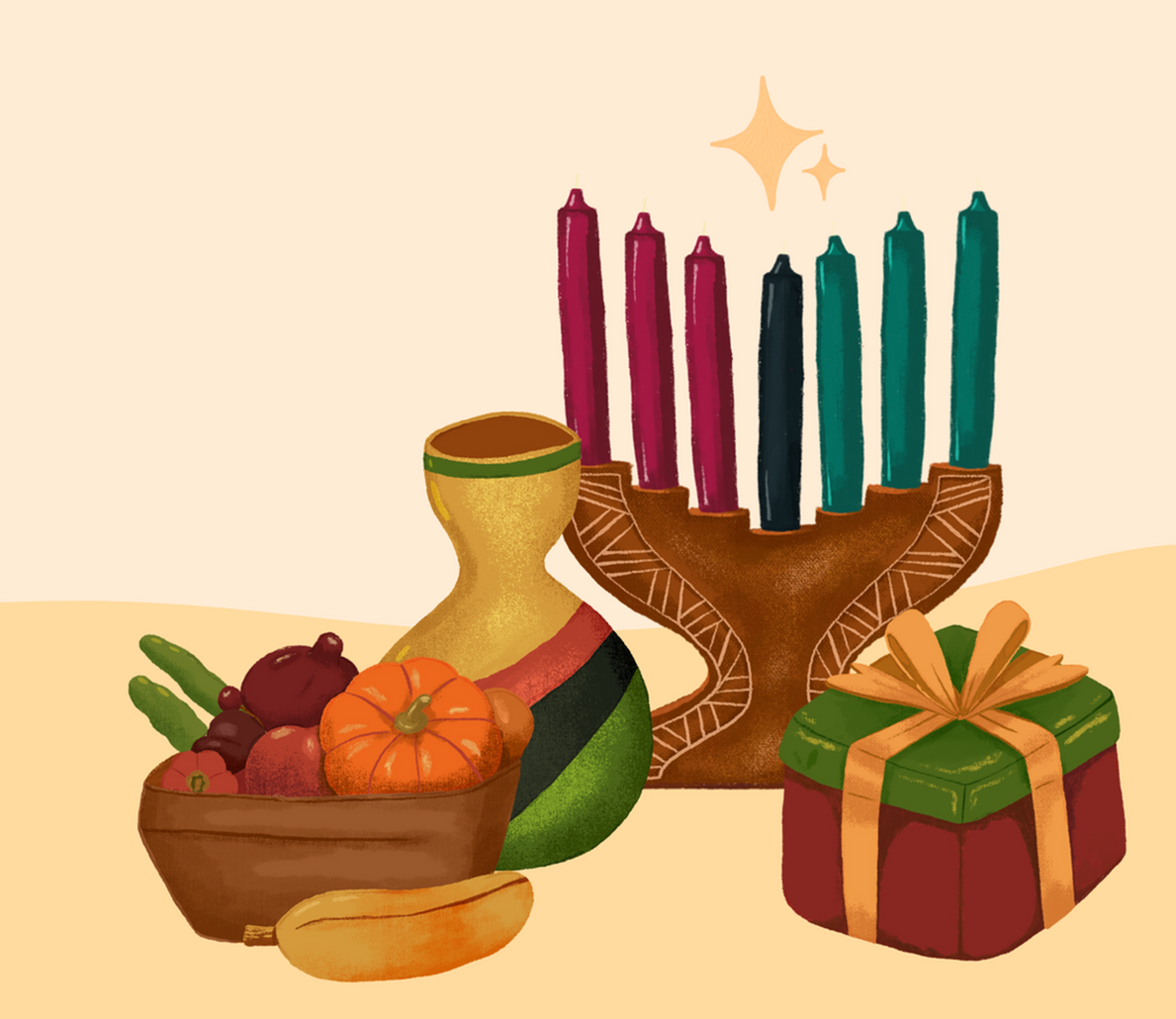
Kwanzaa, observed from December 26th to January 1st, is a vibrant celebration of African-American culture, community, and heritage. Rooted in seven core principles (the Nguzo Saba), Kwanzaa offers a beautiful opportunity for reflection, unity, and cultural appreciation. Even in a strata apartment setting, these traditions can be beautifully honored and shared.
- Umoja (Unity): To strive for and maintain unity in the family, community, nation, and race.
- Kujichagulia (Self-Determination): To define ourselves, name ourselves, create for ourselves, and speak for ourselves.
- Ujima (Collective Work and Responsibility): To build and maintain our community together and make our brothers' and sisters' problems our problems and solve them together.
- Ujamaa (Cooperative Economics): To build and maintain our own stores, shops, and other businesses and to profit from them together.
- Nia (Purpose): To make our collective vocation the building and developing of our community in order to restore our people to their traditional greatness.
- Kuumba (Creativity): To do always as much as we can, in the way we can, in order to leave our community more beautiful and beneficial than we inherited it.
- Imani (Faith): To believe with all our heart in our people, our parents, our teachers, our leaders, and the righteousness and victory of our struggle.
- The Kinara and Candles: The Kinara, a candle holder with seven candles (three red, one black, three green), is central to Kwanzaa. The black candle represents unity, the red candles represent struggle, and the green candles represent the future and hope. You can easily set up a Kinara in your apartment on a table or shelf, lighting one candle each evening as you discuss the principle of the day.
- Mkeka (Mat): The Mkeka is a mat on which other Kwanzaa symbols are placed. It symbolizes tradition and history. A small mat on your dining table or coffee table can serve as the foundation for your Kwanzaa display.
- Vibunzi (Ears of Corn): Representing children and the hope for the future, one ear of corn is placed for each child in the household. If you don't have children, you can still include one ear to symbolize the community's children.
- Mazao (Crops): Fruits and vegetables symbolize the harvest and the rewards of collective labor. A bowl of fresh produce adds a beautiful and meaningful touch to your display.
- Kikombe cha Umoja (Unity Cup): Used for libations, the Unity Cup is shared among family and guests to honor ancestors. You can use any special cup for this purpose.
- Zawadi (Gifts): Gifts are exchanged on January 1st, often handmade and educational, emphasizing self-determination and purpose. Consider gifts that support local Black-owned businesses or promote cultural understanding.
- Karamu (Feast): A festive meal is shared on December 31st. While a large gathering might be challenging in an apartment, you can prepare a special meal with your household, incorporating traditional African or African-American dishes.
- Community Engagement: Look for Kwanzaa celebrations in your local community. Attending these events is a wonderful way to connect with others and experience the broader spirit of Kwanzaa. You might even consider hosting a small, intimate Kwanzaa gathering with a few neighbors in your apartment, focusing on shared principles and good conversation.